Changing Contemporary Consumer Behavior
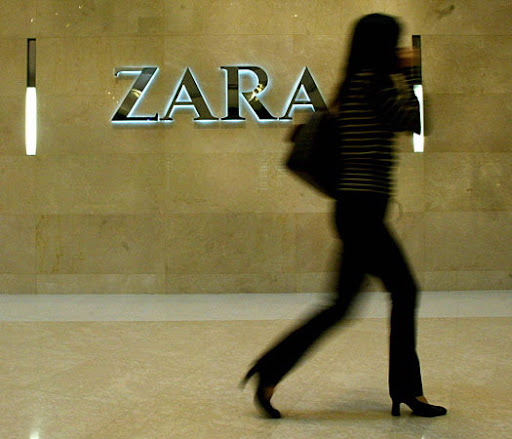 Fashion has always changed and moved with the times. So it was no surprise when during the '90s fast fashion started dominating the industry. It was a reflection of fast paced lifestyle driven by strengthening economy and faster methods of communication. Post-millennium, fast fashion boomed and the age of the cheap, throw-away garment was born. All of a sudden trend movement was condensed from 12 months to less than 12 weeks. Consumers loved it and they still do. Finally fashion was providing for the 'I want it right know' demands of modern society, but at what cost?
Fast fashion and sustainability. Is it possible to have both? Perhaps it is, but many things about the current state of the industry need to change first. Primarily consumer behavior. There are a number of global factors that effect consumer behavior:
* Fast paced lifestyles: We are doing more than ever before. We find ourselves responsible for what feels like a million things at home, work and in our social lives. Time is of the essence; things need to be done quicker and more efficiently. We want what we want RIGHT NOW - there is simply no time to wait.
* Economy: The economy during the late '90s was strengthening . Consumers had more money to spend, and spend we did. Topshop's annual turnover increased to $500-million in a matter of years. Even now with the economic collapse, consumers are turning to fast fashion. We have developed a mentality of 'Why would you buy one designer garment, when you can buy 5 equally trendy garments for the same price at a fast fashion chain?'
* Communication: Fashion trends are communicated to consumers quicker than ever. Within a few hours of fashion shows debuting in cities such as Paris and New York, pictures of the entire show are up on websites such as style.com and coutorture.com. Press of the shows builds and soon there is an overwhelming desire for particular items, so fast fashion provides, sometimes 6 months before the designers can get the item into their own boutiques.
Obviously it will take a lot of time for this consumer behavior to change. The sustainability of the fashion industry is vitally important for continued growth and improvement. I believe that the following are key to changing the contemporary consumers behavior:
* Education: There are a number of designers and fashion business's offering a sustainable alternative, but most consumers are unaware of this or are simply ignorant about the importance of sustainability.
* Transparency of design practice: Most consumers are unaware about the practices used by most fast fashion chains. Practices such as sweatshops, environmentally damaging fabrics, and cross-continental shipping of garments should be divulged to consumers so that they can make an informed decision.
* Aesthetics: In the end fashion comes down to people wanting to look good. If someone has the choice between two garments of the same price, one boring (albeit sustainable) and the other aesthetically pleasing then the choice will most likely be for the pretty one. This consumer behavior isn't going to change, so instead the design of sustainable fashion needs to.
Consumer behavior regarding fashion has to change, there is no doubt about that. The how and the when comes down to us.

No comments:
Post a Comment